
How to Measure Workforce Productivity Using Real Data Not Guesswork
 Mirri AUpdated 6 months Ago1 Mins read

Workforce productivity is meaningless if it’s based on assumptions, manager opinions, or outdated KPIs. Real productivity measurement relies on observable work patterns, output consistency, and time allocation backed by data.
The first mistake companies make is equating productivity with hours worked. Long hours often signal inefficiency, not performance. True productivity measurement focuses on how time is spent, which tools are used, and whether effort aligns with outcomes.
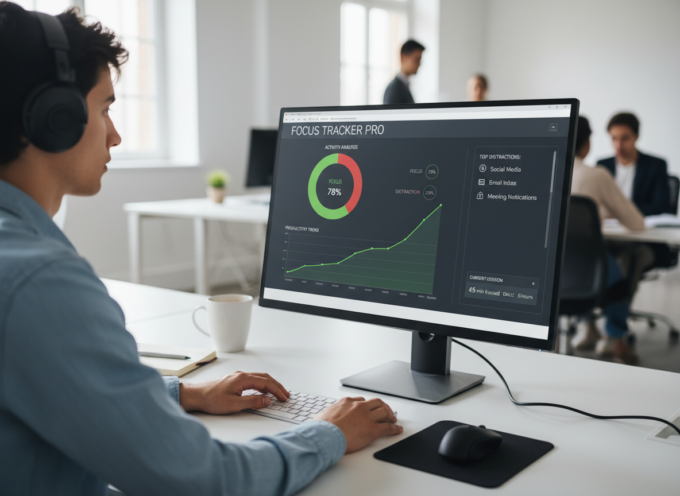
Modern productivity measurement uses activity data, task duration, idle time trends, and workload distribution. When combined, these signals reveal whether teams are overloaded, underutilized, or blocked by inefficient processes.
Another critical factor is benchmarking. Productivity data must be compared across roles, teams, and time periods. Without benchmarks, numbers are meaningless. Data should show trends, not snapshots.
When productivity is measured objectively, managers stop guessing and start fixing real problems. Decisions shift from subjective opinions to evidence-backed improvements.














Leave a comment