Employee Monitoring Tools Explained Features Benefits and Risks
 Mirri AUpdated 2 months Ago1 Mins read
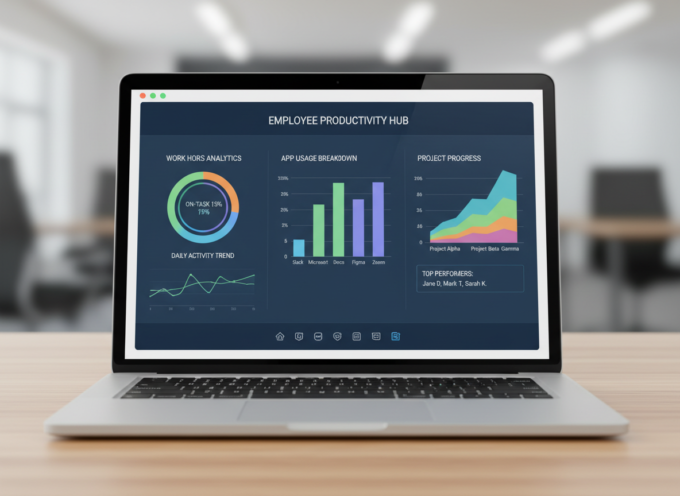
Employee monitoring tools vary widely, but most platforms share a core set of features designed to track work activity and generate actionable insights.
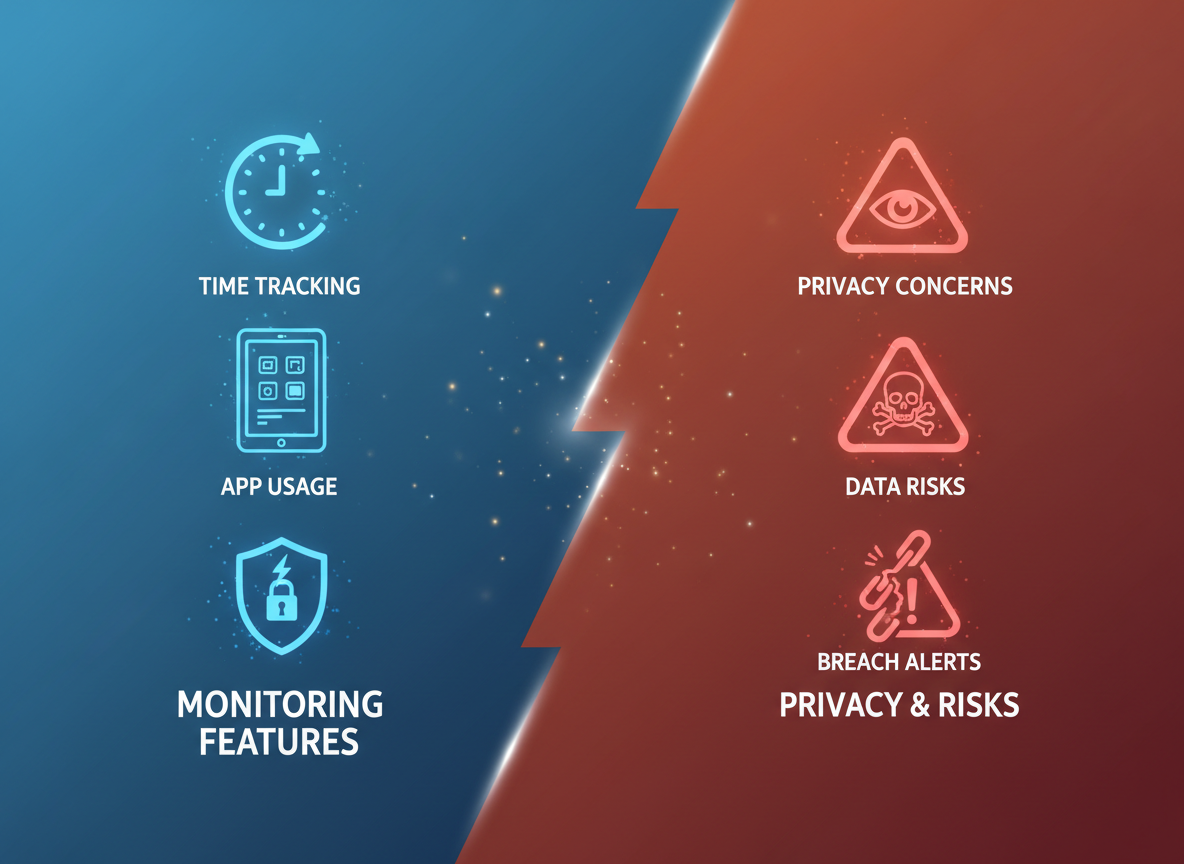
Key features include activity tracking, which measures keyboard and mouse usage to determine active versus idle time. Application and website tracking shows which tools employees use during work hours and how long they spend on each. Time tracking and attendance logging help organizations understand working patterns, overtime trends, and absenteeism.
More advanced tools include productivity scoring, behavioral analytics, and alert systems that flag unusual activity. Some platforms integrate screenshots or screen recording, though these features require careful ethical and legal consideration.
The benefits of employee monitoring tools are clear when used responsibly. Businesses gain accurate productivity data, reduce time theft, identify workflow inefficiencies, and support remote teams with structure rather than micromanagement. Monitoring also strengthens internal security by detecting risky behavior early.
However, there are real risks. Poor implementation can destroy trust, lower morale, and expose companies to legal trouble. Over-monitoring, lack of transparency, and ignoring privacy regulations are common mistakes.
The difference between success and failure lies in intent and execution. Employee monitoring tools should support employees, not punish them. Clear policies, limited scope, and purpose-driven tracking are non-negotiable.











Leave a comment